

By the time Sarah Lewis reached the Texas Capitol with a small band of food truck owners, their bill was running out of time. Without a committee hearing, it would die the quiet death most bills die. So they went from office to office, hand-delivering letters and telling lawmakers what the state’s tangle of local permits was costing them. That effort led to a successful hearing just before the deadline.
Sarah never set out to be an advocate. She was a homeschooling mother near Dallas who bought the Tuttle Twins books for her children and later got her family involved with our Kids Markets program, helping launch markets in her community.
Through the markets, she met one of our sponsors, the Food Truck League, and later began working with them to change the law and resolve a real-life Food Truck Fiasco.
The problem was rather straightforward: A truck might cross several city lines in a week and face a new permit, a new inspection, and a new fee at each one. Amarillo alone charged a newcomer between $800 and $900; Dallas imposed a $481 application fee and a $562 plan review fee. By the fall of 2024, food truck owners Sarah knew personally had gone out of business.
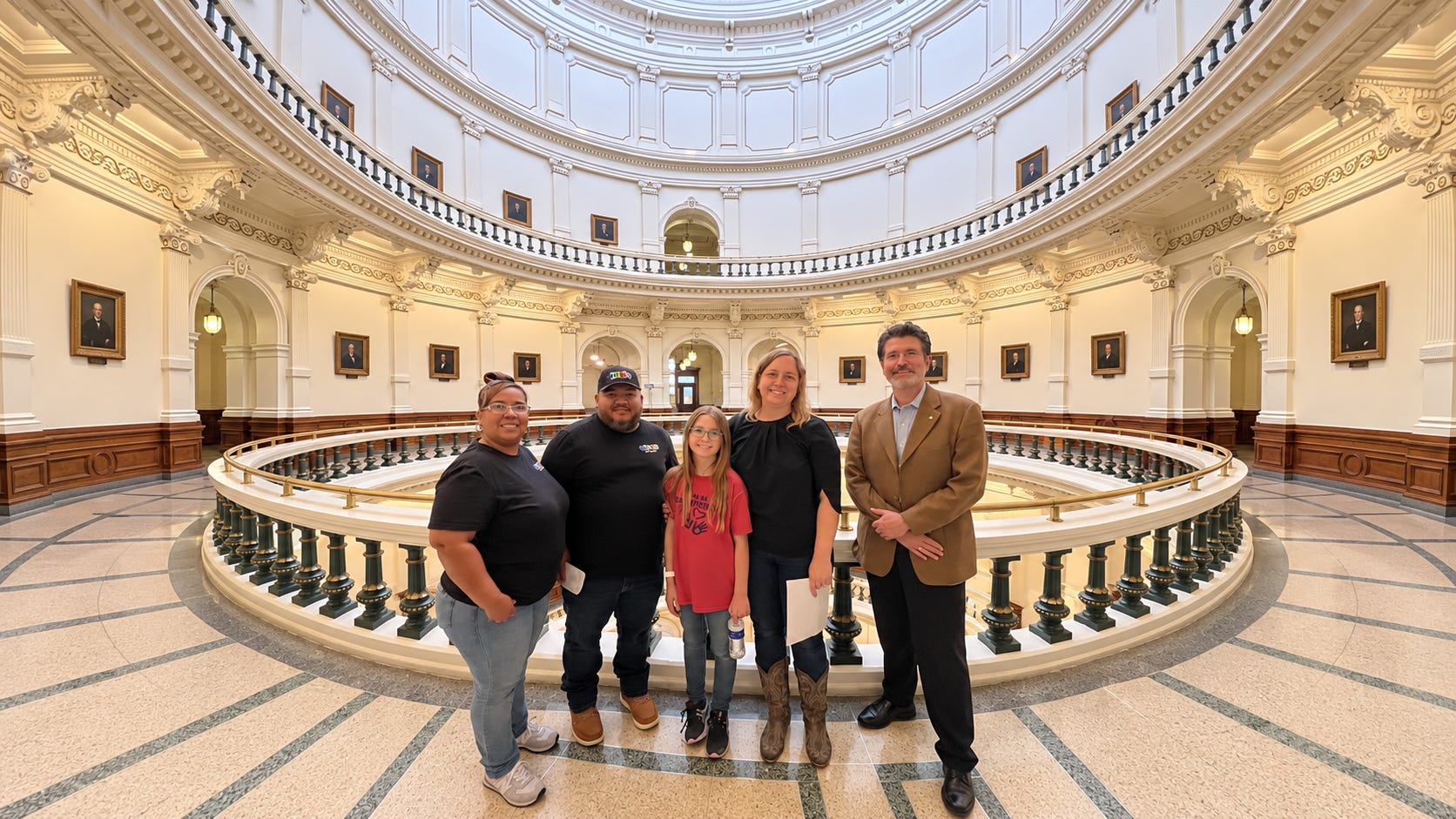
With Sarah’s assistance, House Bill 2844 passed in 2025 and took effect on July 1, replacing the patchwork with a single statewide license. One owner who once paid thousands in fees now pays about $300 to operate anywhere in Texas. The state was following a trail Utah had blazed. In 2017, Libertas Institute pioneered the first legislation of its kind in the country, knocking down legal barriers so entrepreneurs could operate without much of their profit being taken by regulators.
Sarah is careful to share the credit, and rightly so: the lawyers wrote the bill, the food truck owners told their stories, and legislators moved it. Successful legislation requires a legislative sponsor willing to carry the bill, a committee chair willing to grant a hearing, majorities in two chambers, and a governor willing to sign. Ultimately, Sarah and the food truck owners succeeded because there were receptive elected officials voters had placed there.
Which brings us to Tuesday.
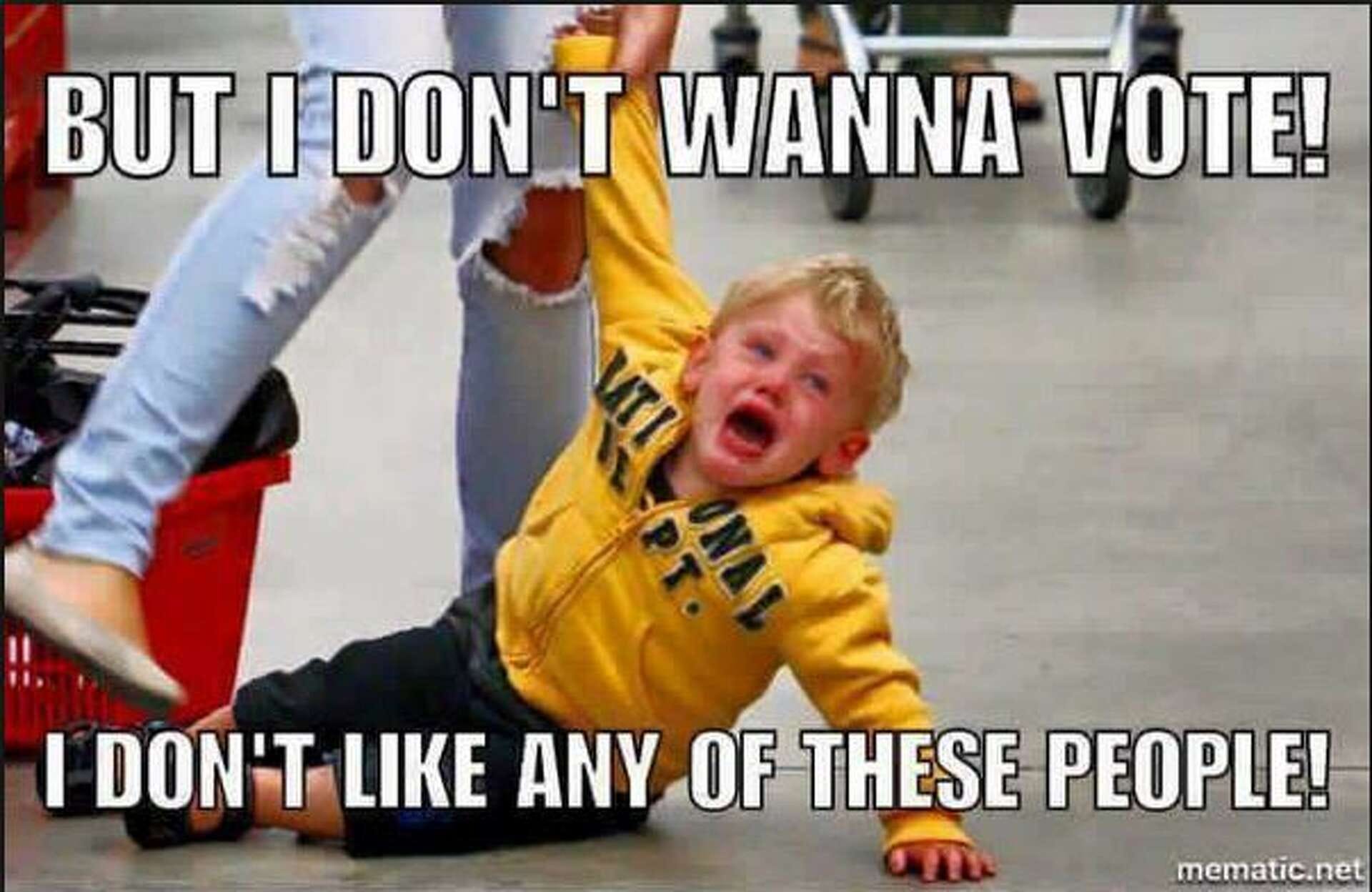
Every two years Americans pour astonishing sums of money and emotion into the question of who will govern. Then, ballots cast, most of them go home and stay there. Pew Research Center’s latest study of civic engagement identifies a group it calls “Connectors”: 87 percent of them voted in 2024, yet only 13 percent had contacted an elected official in the past year. Put simply, Americans have come to treat the ballot as the last word in self-government, when it should be closer to the first. Voting alone is not one’s entire civic duty; we must watch (like a hawk…) those entrusted with political power.
Policy is downstream of these political contests. Voters in 2008 chose a president; that president brought the (unaffordable) Affordable Care Act. Voters in 2000 chose a Republican administration that, after 9/11, delivered a so-called “USA PATRIOT Act” (passing nearly unanimously in the Senate) that created a new surveillance state. New Yorkers elected a democratic socialist mayor last November, and by June his appointees had voted to freeze rents for nearly one million stabilized apartments housing 2.4 million people. In Michigan, after Democrats won full control of state government for the first time in 40 years, they made their state the first in 58 years to repeal a right-to-work law, so workers in unionized workplaces can again be required to pay union fees. Kshama Sawant, running mainly on a $15 minimum wage, won a council seat in Seattle in 2013, becoming the city’s first socialist councilmember since 1877. The council passed it the next year, making Seattle the first major city with a $15 mandate.
Policies, once enacted, are remarkably hard to kill. Each cultivates a constituency of beneficiaries, administrators, and vendors who come to regard it as part of the natural order. Families with ACA subsidies, an intelligence community addicted to access to people’s information, tenants accustomed to cheap rent, union bosses, and low-income beneficiaries of a higher minimum wage—these and so many other faces become, in the aggregate, millions of reasons not to change the status quo. The pendulum swings toward government with ease and back toward freedom with tremendous effort.
That effort is the work of Libertas Institute. We pioneer policy reforms in Utah, refine them, then help legislators and citizens carry them to other states; we nail it, then scale it. That work has changed more than 100 laws, roughly 25 of them the first of their kind in the country, from food truck freedom and school choice to civil asset forfeiture reform, free-range parenting, property rights, and more. Those laws now touch millions of lives.
Every one of them depended on the officials voters chose. A good idea before a hostile legislature remains a concept and little more; the same idea before a receptive one becomes a statute. Those of us who work in policy every day are, in the most literal sense, at the mercy of election results.
Upstream of the results lies something more fundamental: who decides to run. After 2024, 47 percent of voters said they had backed the lesser of two evils rather than a candidate they genuinely supported. The quality of our laws can rise no higher than the quality of the people willing to write and enact them.
The founding generation generally understood that liberty is never secured once and banked; it must be watched, and the watching never ends. That vigilance looks like engaging with your city council or state legislature, testifying on matters that matter to you, recruiting principled neighbors for office, or perhaps running yourself.
Sarah’s story shows what an “ordinary” citizen can accomplish. Her example demonstrates self-government taken seriously by individuals not content to cast a ballot and move on with their lives.
Somewhere in Texas, a food truck just crossed a city line without stopping to ask permission. It can do so because a mother showed up, stood up, and demonstrated civic engagement to her children. On Wednesday, whoever has won the election, the rest of us should do the same.
Good work, Connor. You've almost nudged me out of my torpor. Keep it up.
Excellent explanation of how elections have consequences. Here in Washington state, conservatives are so disheartened by the mail-in ballot system not being secure and Seattleites dominating our state elections that some just won't vote.